Foraging
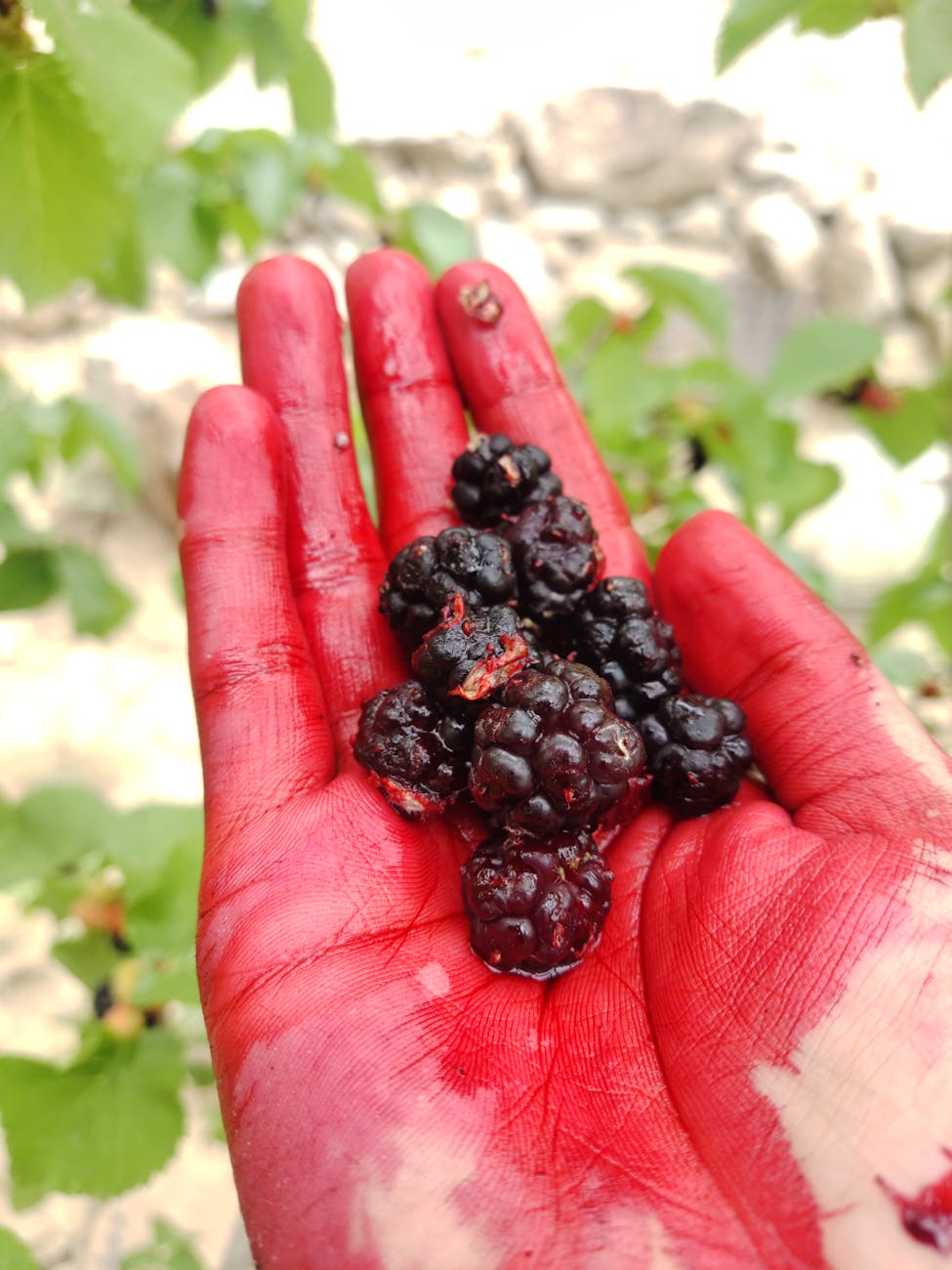
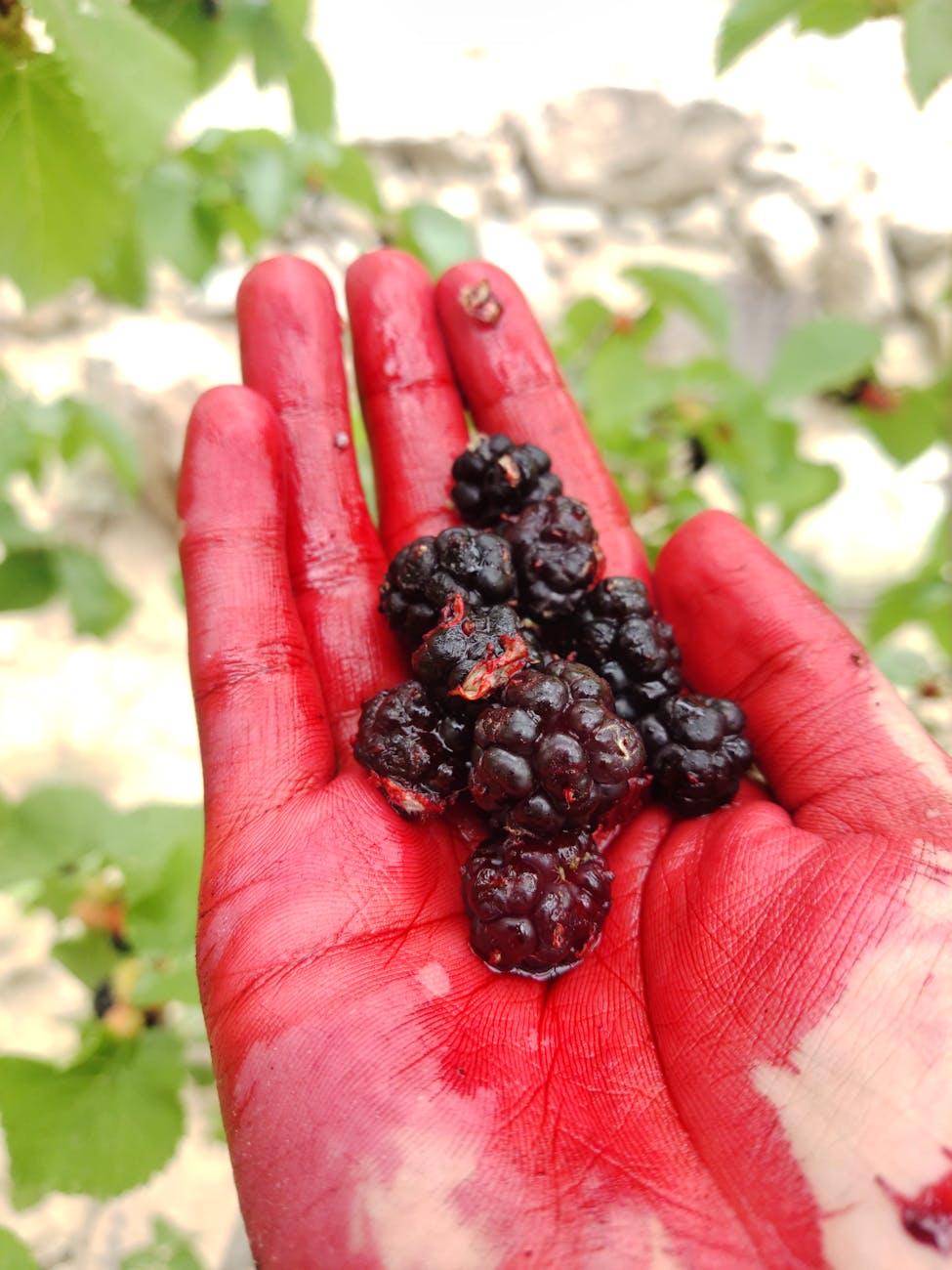
When I first moved to Washington State from Chicago, I made a friend of a neighbor who showed me where the local trails were. It was late summer. She picked berries on our hike. I was horrified and told her I am a city mouse and a beach mouse, not a mountain or a forest mouse. I couldn’t be convinced that it would ever be safe to eat a berry in the wild. Still, she tried. Among her teachings of stinging nettles and how to scare off a coyote, she schooled me on berries in the wild with some foraging wisdom: segmentation by color and consequence.
“If it’s purple, black or blue, it’s probably good for you. If it’s red, you might be dead. If it’s white or yellow, it’ll kill a fellow.”
In addition, she made the claim that most berries with “segmented skin” (raspberries, marionberries, blackberries) were safe to eat.
With a proper dose of Chicago skepticism I went home and internet searched to verify her woodnymph-ish arrogance.
She was/is correct. Since then, I have gorged on my fair share of wild blackberries every summer. No E.R. trips yet.

Foraging for Fashion
Recently my daughter and I ferried over to Seattle to visit Nordstrom for a prom dress. We are halfway through May and I worried the dress choices would be slim, picked over by the early birds and prom being only a couple of weeks away. Kinda like wild blackberries in September.
The second floor was a crowded kaleidoscope of dresses. We searched through heavy beaded, strapless, tea length dresses which we wondered how could stay up. We strolled past the wrong shades of yellow, slinky, shimmery body-con styles, and illusory-nude, lacey numbers. There was something there for a range of body types, sizes and personalities. Dresses for the princess, the burgeoning vixen and CEO; the modest, the romantic, and the “can I wear this, look amazing and still dance?”.
At first it might not be obvious that Nordstrom had segmented by geography. But the fact is schools located in different regions of the country, even within a state, have widely ranging prom dates.
And while ordering dresses online has its benefits (often more selections than can fit in the store; formal and semi-formal dresses sold year-round), the latest styles will have sold out. So while online sales are strong for prom dresses, Nordstrom based their brick and mortar inventory on segmenting for behavior around the culturally embedded ritual of prom, the season it takes place in, and the pilgrimage to physically try on dresses and the psychographic data reflecting the teens desire to acquire the freshest, unique, “stand-out” arrivals to be found.
Based on teen behaviors and demographics (radius population, households with female high schoolers; households with a certain income), Nordstrom used those segments to stock dresses to the rafters, in a specific range of prices and styles offered in fabrics and colors associated with late spring.
The inventory was so copious, the prom styles eclipsed the casual day dresses and more mature women’s offerings.
But let’s face it. My daughter and I may have figuratively been “foraging” for dresses, but we were just a part of the “big study”. Like the segmented skin of berries (qualified also by color!) that some sentient being may have created as a way to communicate safety to a hungry hiker, all those dresses were put there purposefully, signaling the tried and the true – as well as the new – with the aim to retain and acquire more consumers.
Just like checking the colors on the berries and segmentations, strategizing based on segmentation is not foolproof. But with so many more metrics to consider, the probability for success high. Worst case, you fail and live to try again another day.

Vigilance VS Guessing
There are many key points to consider when implementing segmentation strategies. However, the general reflections to keep top of mind are non-negotiable for efficacy i.e. success:
- Know your market. Have you researched your competitors? Have the segments been thoroughly identified and populated across all categories?
- After segmenting, have you reviewed the data for the most attractive, actionable, and measurable?
- Have you sought and acquired the highest quality of data?
- Are you continuously assessing and updating that data so that the efficacy of your campaigns are always being maximized? Life is ever changing, for everyone, everywhere. Sometimes quickly, sometimes slow.
Physical Therapy Without The Drive (or the price)
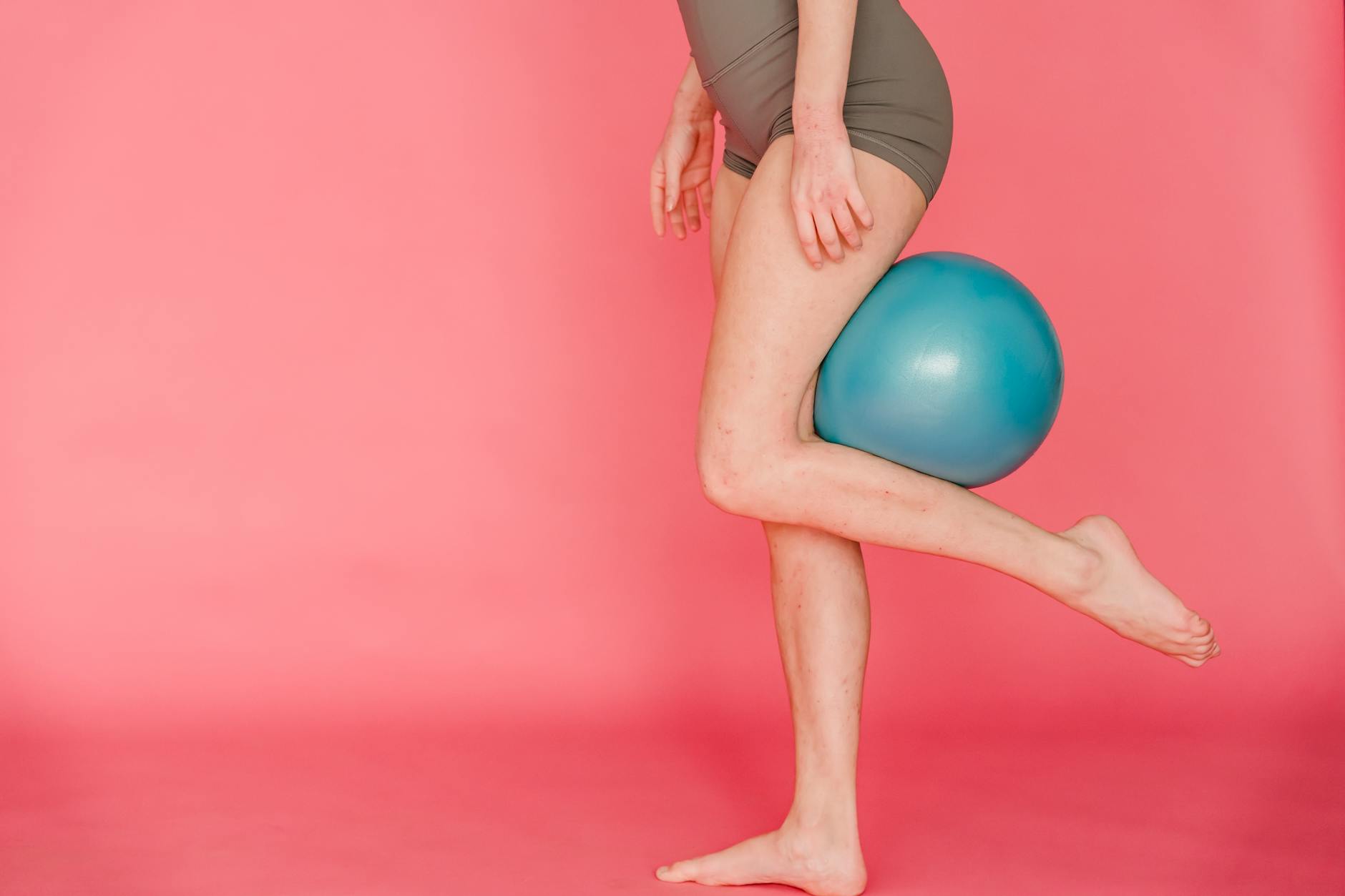
I recently fractured my tibia and am now twenty weeks post-surgery. I had to be driven to physical therapy initially because it was/is my right leg, which, living alone was a part-time job asking and coordinating with the generous people who came through. Since I have been discharged from physical therapy, I miss the guidance, the supervision. And of course, by some scary-tech coincidence my social media feeds have been populated with all manner of physical therapy, soft tissue aids, solutions, exercise devices. What I would like to explore is a subscription service with physical therapy videos, the option for live assistance (that is also insurance covered). At this time there is only one that I see that offers a subscription of video content to the consumers. All others that come up are based on approvals from doctors and/or the physical therapy offices for platforms that they have partnered with.
To reach consumers who wish to continue their therapy at home or on the road, visually assisted, without the cost of and scheduling of a virtual appointment. I would create a segmentation strategy aimed at mobile physical therapy patients who value their time, have strict demands on their time, have insurance limitations, and have sustained injuries requiring prolonged exercises specific to their recovery. The ages would be a broad spectrum, 25-65 year olds with incomes that are barriers to prolonged physical therapy. These consumers are independent, appreciate and seek convenience. They are comfortable and have participate in virtual health appointments and recorded exercise videos. Marketing efforts would include social media advertising and working with social media influencers to promote products on platforms like Instagram, TikTok, Pinterest, senior interest and fitness blogs. The content and messaging would be multi-generational, so there would be a clear message, that this service is for anyone, for everyone – focusing on what unites them – healing and recovery support without having to sift through the thousands of individuals on YouTube or other social media outlets, whose assist and training programs are typically a modified cost of a personal trainer. The message is, one place to find your videos, pick your demonstrator (by gender, race, culture), sort by your medical injury. The internet is a messy, noisy, overstimulating place. Being able to go to one source to continue one’s healing work creates simplicity and ease. The messaging would include additional videos to educate and guide in gentle restorative exercises for everyday aches and pains.
Come to think of it, maybe I could do this for foraging as well.


Leave a comment